
Build a Team
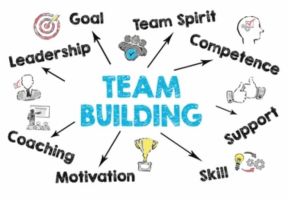
Building a Strong Business Team is essential for achieving long-term success in any organization. A well-built team combines complementary skills, shared vision, and effective collaboration to accomplish business goals more efficiently.
The first step in building a strong team is select your core team. Each core team member brings unique strengths and expertise that contribute to the teams overall performance. Working with individuals who align with the teams culture ensures better teamwork and engagement.
Establishing a Team
Clearly defining the goals of how each member works, leveraging the team resources, will help team members grow in responsibilities and education within the group. When each team member knows how to train and contribute to the team, the team functions smoothly and avoids unnecessary conflicts or confusion.
Promoting Open Communication
Strong teams are built on trust and communication. Encouraging open discussions, active listening, and feedback fosters collaboration and ensures that challenges are addressed quickly and effectively.
Encouraging Collaboration
Teamwork thrives when members share ideas and support one another. Collaborative environments encourage creativity, problem-solving, and innovation while strengthening the sense of unity among team members.
Providing Leadership and Guidance
Effective leaders and leadership plays a critical role in team building. Leaders must inspire, guide, and support their team while ensuring everyone is aligned with the teams goals and vision. Strong leadership also helps in building excitement and keeping morale high.
Fostering Growth and Development

Investing in professional development and product training helps team members improve their skills and stay motivated. Growth opportunities create a sense of loyalty and commitment that strengthens the team over time.
Fostering growth and development in a team is essential for building long-term success and sustaining motivation among members. When leaders invest in training, mentorship, and skill-building opportunities, team members feel valued and empowered to reach their full potential.
Encouraging continuous learning not only improves individual performance but also strengthens the overall capabilities of the team. By creating an environment where people can grow both personally and professionally, organizations build loyalty, enhance collaboration, and ensure that the team remains adaptable in an ever-changing business environment.
Celebrating Success
Recognizing and rewarding achievements helps boost morale and motivates the team to continue performing. Celebrations of success, whether big or small, foster a positive team culture.
Conclusion
In conclusion, building a strong business team involves recruiting a strong core team, helps in establishing clear goals, promoting communication, and fostering collaboration. With effective leadership and continuous growth opportunities, organizations can create teams that are motivated, innovative, and capable of achieving lasting success.
Powered by: Joxall Marketing Group - www.jxlmkt.com